Introduction: Mental Health Is Community Health
Across rural New Mexico, Indigenous communities carry deep strength, strong kinship networks, cultural continuity, and resilience rooted in land and tradition. At the same time, many families face disproportionate rates of depression, anxiety, substance use, suicide, and trauma-related conditions. These challenges are not accidental. They are connected to history, policy, geography, and long-standing inequities in access to care.
Behavioral health services in rural Indigenous communities must look different from mainstream models. Healing must be local. It must be relational. It must honor culture. And it must recognize that mental health is inseparable from land, language, ceremony, and community identity.
This article explores how behavioral health services can be designed and delivered in ways that truly support Indigenous people in rural New Mexico — both on Tribal lands and in nearby rural towns.
The Rural Reality in New Mexico
New Mexico is one of the most rural states in the country. Large distances separate communities. Many families travel one to three hours for specialty medical appointments. Public transportation is limited or nonexistent. Broadband connectivity can be unreliable. Winter weather, flooding, and road conditions can disrupt travel for weeks.
For Indigenous people living in communities such as the Navajo Nation (Diné Bikéyah), Pueblo communities, Apache communities, and rural border towns, access to behavioral health is shaped by geography.
Behavioral health systems in rural areas often face:
- Severe workforce shortages
- High provider turnover
- Long waitlists
- Limited specialty services
- Crisis-only response models
- Inadequate after-hours coverage
The Indian Health Service (IHS) provides critical services across Tribal communities, yet it remains chronically underfunded compared to other federal health systems. Many clinics operate with limited behavioral health staff, and specialty services such as child psychiatry, substance use treatment, and trauma therapy may not be consistently available.
For Indigenous people living off the reservation in rural communities such as Gallup, Farmington, Grants, or smaller frontier towns, the situation can be even more complex. They may not qualify for certain Tribal programs yet still face discrimination or lack culturally responsive services in mainstream systems.
Historical Trauma and Its Ongoing Effects
Behavioral health disparities among Indigenous communities cannot be understood without acknowledging historical trauma.
Forced relocation. Boarding schools. Suppression of language and ceremony. Land loss. Removal of children. Criminalization of cultural practice. These experiences did not end in the 1800s — many occurred well into the 20th century and continue to affect families today.
In rural New Mexico, stories of boarding schools and forced assimilation are not distant history. Many elders alive today attended those schools. The trauma of separation from family, punishment for speaking Native languages, and cultural suppression created intergenerational impacts that affect parenting, emotional regulation, and community trust in institutions.
Behavioral health services must therefore:
- Recognize intergenerational trauma
- Avoid pathologizing culturally rooted coping mechanisms
- Center resilience, not just diagnosis
- Provide space for grief and collective healing
Healing is not only individual. It is collective.
Cultural Identity as a Protective Factor
Research consistently shows that strong cultural identity reduces risk for depression, substance use, and suicide among Indigenous youth and adults.
In rural New Mexico communities, protective factors include:
- Participation in ceremony
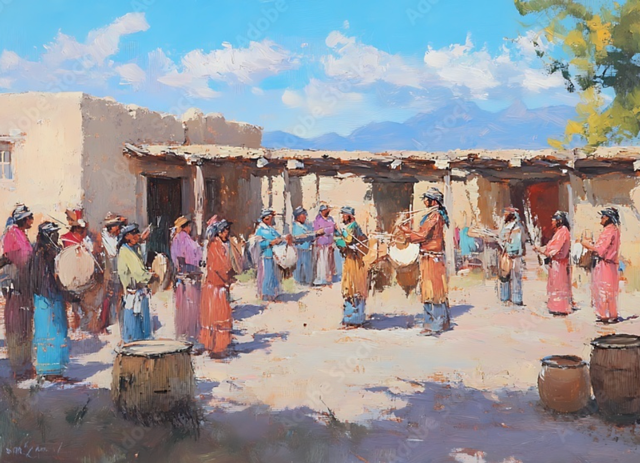
- Traditional songs and dances
- Language revitalization
- Clan systems and kinship networks
- Subsistence practices and land-based knowledge
- Elders’ guidance
- Community gatherings and feast days
Behavioral health services that integrate these strengths may include:
- Talking circles facilitated with cultural grounding
- Partnerships with traditional healers
- Land-based therapeutic activities
- Integration of prayer and ceremony when requested by clients
- Inclusion of extended family in care planning
Culturally responsive care is not an “add-on.” It is foundational.
Workforce Challenges in Rural Indigenous Communities
One of the greatest barriers to behavioral health access in rural New Mexico is workforce shortage.
Many communities struggle to recruit and retain:
- Licensed therapists
- Psychologists
- Psychiatrists
- Substance use counselors
- Case managers
- Peer support workers
Factors contributing to workforce shortages include:
- Geographic isolation
- Limited housing
- Burnout
- Secondary trauma
- Lower reimbursement rates
- Administrative burden
Growing the Indigenous behavioral health workforce is critical. This includes:
- Supporting Indigenous students in behavioral health careers
- Offering local training pathways
- Expanding Community Health Worker (CHW) and Community Health Representative (CHR) roles
- Providing culturally grounded supervision
- Offering retention incentives
Community-based providers are more likely to stay long-term and build trust.
Telehealth: Promise and Limitations
Telehealth expanded dramatically during the COVID-19 pandemic. For rural communities, it offers clear advantages:
- Reduced travel time
- Increased specialty access
- Flexibility for families
However, telehealth also presents challenges in rural New Mexico:
- Limited broadband access
- Privacy concerns in multigenerational homes
- Lack of private space
- Technology literacy gaps
Hybrid models may be most effective: in-person community-based services combined with telehealth for specialty consultation.
Integrating Behavioral Health and Community Health Workers
Community Health Workers and Community Health Representatives are trusted members of Indigenous communities. They understand local culture, language, and family networks.
Integrating CHWs into behavioral health systems can:
- Improve follow-up care
- Reduce missed appointments
- Address social determinants of health
- Support medication adherence
- Provide culturally grounded health education
For rural communities, this integration bridges gaps between clinic-based care and home-based realities.
Suicide Prevention in Rural Indigenous Communities
Suicide rates remain disproportionately high in many Indigenous communities across New Mexico. Rural isolation, substance use, trauma exposure, and limited crisis services contribute to risk.
Effective strategies include:
- Community-wide education
- Youth leadership programs
- Cultural camps
- School-based prevention
- Training for gatekeepers (teachers, CHWs, law enforcement)
- Postvention support after a suicide loss
Prevention must be community-driven, not imposed from outside.
Building a Community-Based Behavioral Health Model
A strong rural Indigenous behavioral health system includes:
- Culturally grounded outpatient therapy
- Integrated primary care behavioral health
- Substance use treatment options
- Crisis stabilization partnerships
- CHW integration
- Telepsychiatry access
- Youth and family programming
- Traditional healing partnerships
When behavioral health systems honor sovereignty, culture, and community leadership, they become more effective and sustainable.
Conclusion: Healing Is Already Here
Rural Indigenous communities in New Mexico do not lack resilience. They lack equitable systems.
Healing is already embedded in ceremony, land, kinship, and community strength. Behavioral health services must align with those strengths rather than override them.
The future of Indigenous behavioral health in rural New Mexico depends on culturally grounded, community-driven, workforce-supported systems that honor history while building new pathways forward.